
Blog · Amarillo, TX
Knee pain
When Your Knees Give Out Without Warning: The Hidden Problem Behind Knee Instability and Collapse
Published
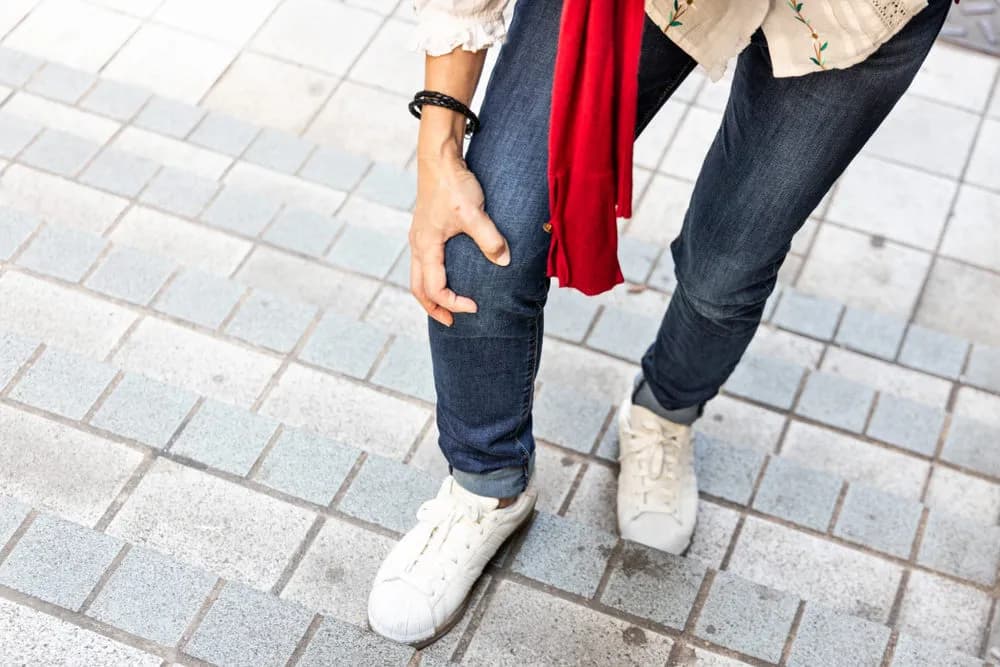
Have you ever been walking through the grocery store, climbing a set of stairs, or simply standing up from the couch when suddenly your knee gives out from under you? It’s a terrifying feeling. One moment you’re stable, and the next your leg feels weak, unreliable, or completely disconnected from the rest of your body.
Most people brush it off the first time, “Maybe I stepped wrong”, “Maybe I twisted it funny”. But when it happens again, especially on a random day or during a normal movement, it raises a louder question:
Why do my knees give out suddenly?
At One Light Medical, we see this problem every single week. Men and women of all ages, yes, even adults in their 30s and 40s, come to us scared, frustrated, and unsure of what’s happening to their bodies. Knee instability is not just an inconvenience. It’s a warning sign that your knee joint, ligaments, nerves, or cartilage are no longer functioning the way they should.
And here’s the truth:
When your knee gives out unexpectedly, something underneath the surface is already wrong. And the longer you wait, the worse the underlying issue becomes.
Today, we’re breaking down what knee instability really means, the hidden damage that causes it, and how our non surgical knee pain relief in Amarillo helps patients regain stability, mobility, and confidence without medication or invasive procedures.
The Scary Reality of Knee Instability
Most patients assume knee instability only happens to older adults or athletes. But that’s not true. People of all ages experience sudden knee weakness or collapse, often due to issues that have been building silently for months or years.
Knee instability happens when the structures that hold the knee together, ligaments, tendons, cartilage, muscles, and nerves, can no longer support your body’s weight or movement.
Common symptoms include:
- Feeling like the knee “buckles” or gives out
- Grinding, clicking, or popping sensations
- Sharp pain during movement
- Weakness or wobbling
- Stiffness after inactivity
- Difficulty climbing stairs or standing from sitting
Even if the pain is mild, instability is never “normal.” It always comes from an underlying issue, one that gets worse with time.
Why Your Knees Are Giving Out: Hidden Causes Most People Never Know About
The knee is one of the most complex joints in your body. When it becomes unstable, there are several hidden reasons why. Here are the most common, some of which surprise patients the most.
1. Cartilage Breakdown (Often Silent Until It’s Severe)
As cartilage wears down, the bones in the knee lose their cushioning. This can cause:
- Buckling
- Catching
- Sudden instability
- Pain during weight-bearing
Because cartilage has no nerves, it can deteriorate for years before symptoms show up. When your knee gives out, it’s a sign the damage may already be significant.
2. Weak or Inactive Quadriceps and Hamstrings
Sitting too much, previous injuries, or lack of proper movement can weaken the muscles that stabilize the knee.
When those muscles can’t support the joint, the knee collapses during everyday activities.
3. Ligament Laxity or Microtears
Ligaments hold the knee in place. When they become stretched, or suffer tiny tears from repeated strain, the joint becomes loose and unstable.
This often happens without any obvious injury.
4. Nerve Interference From the Spine
This one shocks most people.
If nerves in your lower back are compressed, irritated, or inflamed, the signals that control your knee become disrupted.
This can cause:
- Knee weakness
- Sudden buckling
- Loss of coordination
- Misfiring muscles
You feel it in your knee, but the real problem is coming from your spine.
5. Previous Injuries That Never Fully Healed
Old injuries, even ones you barely remember, can create instability years later. Scar tissue, weakness, or misalignment from past sprains or falls can lead to sudden collapse.
6. Meniscus Damage
The meniscus is a shock absorber for your knee. Even a small tear can cause:
- Locking
- Catching
- Instability
- Sharp pain
Many meniscus tears don’t happen from sports, they happen from simple movements like twisting while standing or getting out of a car.
7. Chronic Inflammation From Weight Gain
Extra weight puts significant pressure on the knee.
For every pound you gain, your knee takes four pounds of added stress with every step.
That inflammation can weaken the joint over time, causing instability.
Why You Should Never Ignore Knee Instability
We tell every patient the same thing:
A knee that gives out is a knee that is warning you.
If you ignore it, you risk:
- Chronic pain
- Worsening cartilage loss
- Progressive arthritis
- Ligament tears
- Falls and serious injury
- Long-term mobility loss
And the longer instability continues, the harder it is to reverse.
The earlier you act, the better your long-term outcome.
Why Surgery Isn’t Always the Best Solution
Most patients assume knee instability means they’re headed for surgery.
But that’s not usually true.
In fact, many cases of knee buckling are caused by issues that can be healed or corrected without cutting into the joint.
Surgery can lead to:
- Long recovery times
- Scar tissue
- Post-surgical weakness
- Ongoing pain
- Additional surgeries down the road
At One Light Medical, we focus on non-surgical knee pain relief in Amarillo so patients can heal naturally and restore strength safely.
Our Approach: Knee Instability Treatment Amarillo TX
At One Light Medical, we take a comprehensive, multi-layered approach to knee instability, because no two patients are the same.
Our non-surgical program is designed to:
- Restore stability
- Reduce inflammation
- Strengthen weakened muscles
- Improve nerve communication
- Protect your knee from further damage
- Help you move confidently again
Here’s how we do it:
Advanced Evaluation
We identify the exact cause of instability, whether it’s nerve-related, structural, muscular, or inflammatory.
This is the key to choosing the right treatment plan.
SoftWave TRT (if applicable for this clinic)
Promotes tissue repair, reduces inflammation, and helps heal micro-damage inside the joint.
Red Light Therapy
Boosts cellular energy, reduces inflammation, and helps tissues repair more quickly.
Spinal Decompression (if nerve-related)
Relieves nerve compression from the spine that may be affecting knee strength.
Chiropractic Adjustments
Realign the body to reduce stress on the knee and improve lower-body biomechanics.
Muscle Re-activation and Strengthening Protocols
We help your body rebuild strength where it’s most needed, your stabilizing knee muscles.
Lifestyle & Movement Coaching
We teach you how to move safely and prevent recurring instability.
What Happens When You Take Action Now
Patients who address knee instability early often report:
- Less pain
- More stability
- Better mobility
- Stronger, more confident movement
- Reduced inflammation
- Lower risk of injury
- Improved quality of life
Taking action now protects your knee before damage becomes irreversible.
Take the First Step to a Stronger, More Stable Knee
If your knee is giving out, whether it’s once a week or once a month, it is a sign you cannot ignore.
Your knee is sending you a message, and the sooner you listen, the better your chances of full recovery.
At One Light Medical, we specialize in gentle, effective, non-surgical knee instability treatment in Amarillo, TX that gets results without pain, injections, or long recovery times.
You deserve strong, stable knees that support you every step of the way.
Click here to set up a consultation and take the first step toward restoring your stability and confidence.