
Blog · Amarillo, TX
SoftWave
Understanding Softwave Therapy for Chronic Pain in Amarillo
Published
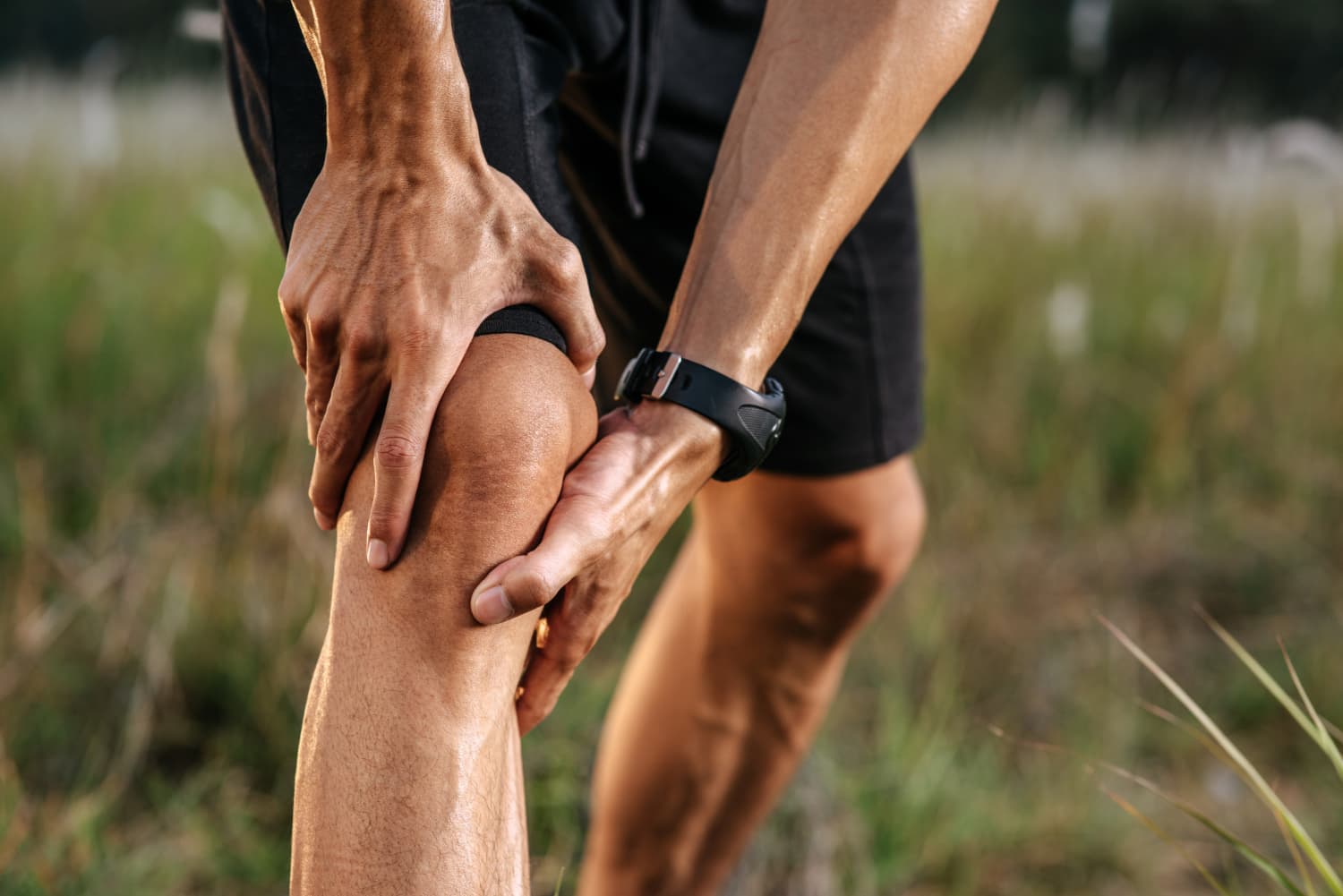
Find Relief From Chronic Pain Without Surgery
Chronic pain can turn simple things into hard work. Walking around the park, standing at a school event, or getting through a workday on your feet can feel like a major challenge when your knees, back, hips, or feet hurt all the time. When pain does not ease up, it can start to shape what you do, where you go, and how you feel about each day.
Many people think surgery or long-term pain pills are their only options. At our clinic in Amarillo, we focus on non-surgical, integrative care that aims to help you move with less pain and more confidence. One of the tools we use is Softwave Therapy, a noninvasive treatment that works on the surface of the skin and is designed to support the body’s natural healing response. It is an option for people who want to avoid injections, rely less on pain medication, and keep as much of their normal routine as possible.
What Softwave Therapy Is and How It Works
Softwave Therapy is a type of shockwave therapy that uses acoustic sound waves to target areas of pain and tissue strain. These sound waves are not like music or voices. They are focused, low-frequency waves that can travel through the skin into deeper layers of muscle, tendon, and other tissues.
Here is how it works in simple terms.
- A handheld device sends acoustic sound waves into the area being treated
- The waves move through the tissue and create gentle mechanical stress
- This stress can help increase local blood flow and support tissue repair processes
- The treatment may also help calm irritation and reduce inflammation over time
Research on this kind of technology suggests that these acoustic waves can activate signaling pathways in the body. This may include stimulating local stem cells, which are cells that can support repair in damaged tissues. While results are different for every person, the goal is to help the body do more of its own healing work instead of just blocking pain signals.
The treatment is done on clean skin with a bit of gel to help the device glide smoothly. It is an in-office procedure, and most people do not need anesthesia. Sessions are planned to fit into normal life so that you can typically leave and continue with your day.
Conditions Softwave Therapy Can Help Address
Softwave Therapy can be used on many common pain areas that come from strain, overuse, or long-term wear and tear. At our clinic, we often see people who are dealing with:
- Knee pain from arthritis, old injuries, or repetitive stress
- Shoulder pain that flares with lifting, reaching, or sleeping on one side
- Plantar fasciitis, which can cause sharp heel pain with those first morning steps
- Tennis or golfer’s elbow from gripping, swinging, or repetitive work tasks
- Ongoing back or neck discomfort that limits bending, twisting, or standing
Softwave Therapy may also be an option for some people with neuropathy-related discomfort. In these cases, the goal is to support better local circulation and encourage healthier nerve function in the feet and legs. While it is not a cure, it can be part of a broader plan to manage symptoms.
Before we suggest Softwave Therapy, we take time to understand your situation. That usually includes:
- Reviewing your symptoms and when they started
- Talking through your medical history and any past treatments
- Looking at what daily tasks or hobbies are most limited by your pain
Matching your activity goals with realistic treatment expectations
From there, we build a personalized plan around your specific pain areas and what you want to get back to doing, whether that is walking more comfortably, keeping up with work, or enjoying time outside.
What to Expect From Softwave Therapy in Amarillo
Knowing what will happen at an appointment can make it easier to relax and focus on your goals. A typical Softwave Therapy visit at our Amarillo clinic follows a simple process.
First, we do an assessment of the area that is giving you trouble. We may ask you to move a joint, point to where you feel the most discomfort, or describe what makes it worse or better. Once we choose the target area, we prepare the skin and apply a layer of gel.
During the treatment:
- A provider places the Softwave device on the skin over the painful region
- The device sends a series of controlled acoustic waves into the tissue
- The provider moves the device in a focused pattern to cover the problem area
- The intensity can be adjusted based on your comfort and response
People often ask what the treatment feels like. Sensations can vary. Some describe it as light tapping or pressure. In more sensitive spots, there can be brief discomfort, which usually eases as the area adapts. Sessions are not long, and many are done within a short visit window. Most people are able to return to regular daily activities soon after each session, as there is no incision or surgical wound to care for.
Relief can follow different timelines. Some people notice a change after the first few sessions, like a little less stiffness or easier walking. Others feel a more gradual shift over several weeks as tissue responds and inflammation settles down. We stay in close contact so we can track how you feel and make adjustments when needed.
Comparing Softwave Therapy to Other Pain Treatments
There are many ways people try to manage chronic pain. Some are focused mainly on symptom control, while others try to support longer-term tissue health. Softwave Therapy fits into that second group.
Common pain treatments include:
- Pain medications, which can help mask discomfort but may not address the source
- Steroid injections, which can calm inflammation for a time but are often limited in frequency
- Surgery, which can be helpful in certain cases but also involves recovery time and more risk
Softwave Therapy is noninvasive. There are no cuts, stitches, or implanted hardware. The aim is to work with your body, using acoustic waves to support circulation, tissue repair processes, and lower irritation in the treated area. It is not the right fit for every single problem, but for many people it can be a helpful alternative or step to try before considering more aggressive options.
At our clinic, Softwave Therapy often pairs well with other non-surgical approaches like guided movement plans, posture and body mechanics coaching, and weight management support to ease stress on joints. Used together, these tools are meant to give your body multiple forms of support, instead of relying on just one method.
Side effects are usually mild when they occur. Some people notice temporary redness, slight swelling, or tenderness in the treated area that fades after a short time. Treatments are provided by trained team members who monitor your comfort, explain what they are doing, and adjust as needed so you feel informed and supported throughout the process.
Taking the Next Step Toward Moving More Comfortably
If chronic joint pain, neuropathy symptoms, or stubborn back pain are making it harder to stay active, it can feel discouraging. Options like Softwave Therapy give another path to explore that does not involve surgery or long periods away from your regular life.
At One Light Medical, we focus on non-surgical, integrative care that respects your goals, your schedule, and your desire to stay moving. Our team can talk with you about your pain history, review which areas are the most limiting, and explain how Softwave Therapy in Amarillo can fit into a care plan designed around you.
Relieve Pain And Restore Mobility With Proven Treatment
If persistent pain or slow healing is holding you back, we are here to help you move comfortably again. Our team at One Light Medical provides advanced softwave therapy in Amarillo tailored to your specific condition and goals. Schedule an appointment so we can evaluate your needs and map out a clear plan toward lasting relief. If you are ready to take the next step, you can contact us today to get started.