
Blog · Amarillo, TX
Spine
Spinal Decompression Options for Improved Mobility
Published
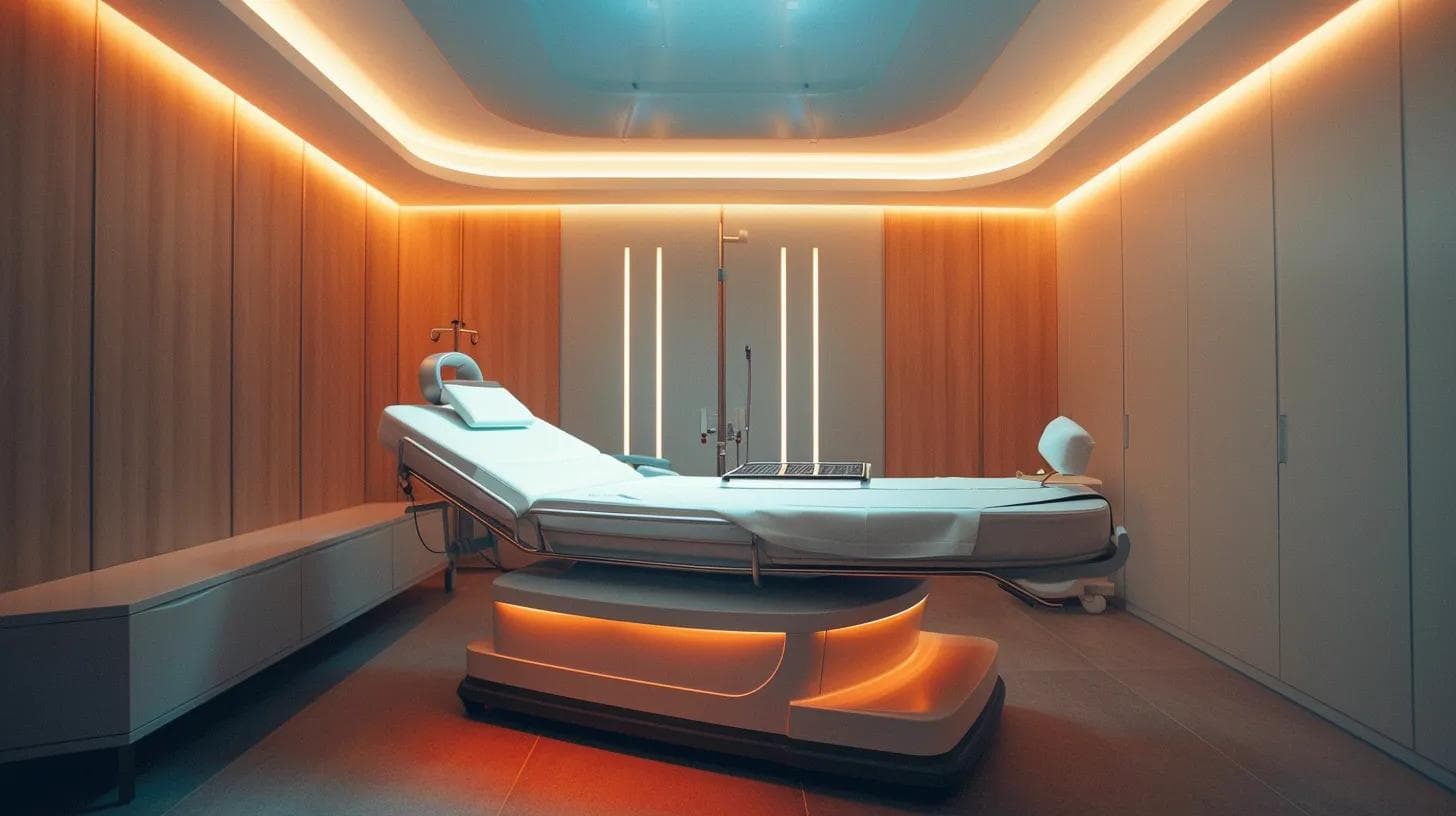
Spinal decompression therapyis a non-surgical treatment designed to alleviate pressureon spinal discs and nerves. Using controlled traction, it reduces spinal cord compressionto relieve back and neckpain, improve mobility, and promote overall spinal health.
Understanding Spinal Decompression Principles
The Science Behind Spinal Decompression Techniques
Spinal decompression applies gentle, sustained forces to create a controlled distraction, producing negative pressurewithin the intervertebral discs. This negative pressuremay encourage retraction of herniated disc material, reduce nerveirritation, and improve nutrientflow for tissuehealing while dampening the inflammatory response.
How Spinal Decompression Alleviates Pressure
By gently stretching the spine, decompression creates a vacuum effect in the disc space. This negative pressuredraws in fluids, nutrients, and oxygenessential for disc repair, while drawing disc fragments away from nerveroots. Many patients report reduced local and radiating painas disc height is restored and nervecompressiondiminishes.
Differentiating Spinal Decompression From Traction
Unlike traditional traction, which pulls the spine apart with a fixed force that may lead to musclespasms or discomfort, spinal decompression uses a motorized, computer-controlled table. This system adjusts forces in real time, providing a more precise and comfortable treatment with better symptomatic relief and disc hydration.
Goals of Spinal Decompression Treatment Programs
Treatment programs aim to reduce pain, improve function, and promote natural healing of the spinal structures. The focus is on restoring disc height, reducing disc bulging, and decreasing pressureon facetjoints and nerveroots. Programs are tailored to each patient’s needs based on diagnostic imaging and physical assessment.
The Role of Negative Pressurein Spinal Healing
The negative pressuregenerated during therapystimulates the influx of oxygen-rich blood and essential nutrients, which are crucial for disc repair. Enhanced fluidexchange helps clear inflammatory metabolites, contributing to long-term improvements in disc health and reduced reliance on painmedications.
Conditions Addressed by Spinal Decompression
Spinal Decompression for Herniated or Bulging Discs
For individuals with herniated or bulging discs, decompression reduces disc protrusion by relieving internal disc pressure. This helps reposition disc material away from nerveroots, leading to significant painreduction and improved function, especially for those at riskwith surgical interventions.
Relief for Sciatica Symptoms Through Spinal Decompression
Sciatica, often resulting from disc herniation or bonespurs compressing the sciatic nerve, can be alleviated with decompression therapy. The stretching action improves blood circulation around the nerve, reduces inflammation, and gradually diminishes the intensity and frequency of sciatica symptoms.
Addressing Degenerative Disc DiseaseWith Spinal Decompression
In degenerative disc disease, the gradual breakdown of discs causes chronic painand limited mobility. Spinal decompression creates an environment for the discs to rehydrate and regain height, easing nerve compressionand reducing symptoms like numbness and tingling while improving mobility.
Spinal Decompression Benefits for Facet JointSyndrome
Facet jointsyndrome, characterized by inflammationor degeneration of the small spinal joints, benefits from decompression by reducing pressureand realigning spinal segments. This realignment improves weightdistribution, minimizes abnormal stress, and eases painwhile enhancing range of motion.
Managing Spinal Stenosis With Decompression Approaches
In cases of spinal stenosis, where the spinal canalnarrows and compresses nerves, decompression gently expands the canalspace and relieves nerve pressure. This non-surgical option is particularly useful for patients unsuitable for surgeryand has been shown to improve quality of lifeby reducing claudication and radiculopathysymptoms.
The Spinal Decompression Procedure Experience
What Occurs During a Spinal Decompression Session
During a session, the patientlies on a specialized table designed to deliver controlled tractionforces. After an initial evaluation with imaging and physical assessments, the patientis secured in place. The device then cycles through a series of gentle stretching and relaxation phases targeting specific spinal segments. Most patients experience a mild, relieving stretch rather than painas the machine adjusts to their response.
Typical Duration and Frequency of Spinal Decompression Treatments
Sessions typically last 30 to 45 minutes. Initial treatment courses often involve five sessions per week for four to six weeks. Maintenance sessions may be scheduled less frequently to sustain therapeutic benefits, as improvements in disc hydration and alignment develop over repeated treatments.
Sensations Patients May Feel During Spinal Decompression
Patients usually report a gentle, expanding sensation in the back with a subtle release of pressurein the affected region. While slight discomfort may occur during the stretching phase, the process is generally well tolerated and described as relaxing and therapeutic.
Technology and Equipment Used in Spinal Decompression
Modern spinal decompression systems feature sensors and computer controls that precisely regulate tractionforces in real time. This individualized approach, using a motorized table, adjustable harnesses, and integrated software, maximizes treatment efficacyand minimizes patientdiscomfort and risk.
Preparing for Your Spinal Decompression Appointments
Patients are advised to avoid heavy meals and strenuous activities before treatment and to wear loose, comfortable clothing to facilitate proper table positioning. A brief consultation is typically held before each session to review progress and adjust treatment parameters as needed, ensuring both safety and effectiveness.
Advantages of Choosing Spinal Decompression
Non-Surgical Relief Achieved With Spinal Decompression
Spinal decompression provides a non-invasive alternative to surgery. It is particularly valuable for patients who wish to avoid surgical risks or are medically unsuitable for surgery. The gradual relief and natural healing associated with controlled mechanical tractionsupport significant painreduction and improved spinal function.
Potential for Reduced Back and NeckPain
By alleviating pressureon intervertebral discs and nerveroots, decompression directly targets paincaused by conditions like disc herniation, degenerative disc disease, and spinal stenosis. Many patients experience measurable painreduction and can reduce their reliance on painmedications due to the therapy’s nonpharmacological approach.
Improved Range of Motion Following Spinal Decompression
As decompression helps rehydrate and realign discs, it improves spinal flexibilityand jointmobility. Enhanced range of motion enables patients to perform daily activities more comfortably, and decompression is frequently integrated with physical rehabilitation programs to restore functional movement and endurance.
Decreased Reliance on Pain Medication
Effective painrelief from decompression often leads to a decreased need for medications such as opioids or NSAIDs. This reduction lowers the riskof side effects and dependence, making decompression an appealing option for integrative painmanagement.
Fostering Natural Healing Processes in the Spine
By improving the microenvironment of the discs through enhanced fluidexchange, decompression promotes the influx of nutrients and growth factors needed for tissuerepair. Over time, this natural healing process can lead to disc regeneration and a reduction in local inflammation.
Suitability and Considerations for Spinal Decompression
Identifying Ideal Candidates for Spinal Decompression
Ideal candidates include those with chronic back or neckpainfrom conditions like herniated discs, degenerative disc disease, sciatica, or spinal stenosis, especially when conservative treatments such as physical therapyand medicationhave failed. A thorough medical assessment, including imaging studies, confirms that symptoms stem from mechanical compression.
Situations Where Spinal Decompression Is Not Recommended
Spinal decompression is contraindicated for patients with severe osteoporosis, fractures, spinal tumors, or progressive neurological deficits. Those with spinal instability or recent spinal surgerymay also be advised against the treatment. A careful evaluation by a healthcare provider is essential to ensure safety.
Potential Mild Effects After a Spinal Decompression Session
Some patients may experience temporary musclesoreness, stiffness, or mild discomfort after a session as the spine adjusts. These symptoms typically resolve within a few hours, and proper hydration and post-session instructions can help minimize these effects.
Discussing Spinal Decompression With Your Healthcare Provider
A detailed conversation with your provider about diagnostic findings, treatment goals, risks, and expected outcomes is crucial. Ensuring aligned expectations helps both patientand provider make informed decisions for optimal treatment outcomes.
Success Rates Associated With Spinal Decompression
Clinical reports suggest that many patients experience significant improvement, with up to 70% reporting reduced painand improved mobility, when adhering to treatment protocols. Long-term follow-up indicates that sustained benefits are possible, particularly when decompression is combined with other rehabilitative therapies.
Recommended Activities and Lifestyle Adjustments
Engaging in low-impact activities such as swimming, yoga, and walking supports spinal motion while preventing injury. Patients are encouraged to use proper lifting techniques, avoid prolonged sitting, and adopt a balanced, anti-inflammatory diet to further protect spinal health.
Long-Term Outlook Following Spinal Decompression
The long-term outlook is generally positive when decompression is paired with lifestyle modifications and preventive care. Many patients maintain improved painlevels and mobility months after treatment, reducing the need for surgical intervention and chronic painmanagement.
Follow-Up Care for Sustained Spinal Decompression Benefits
Follow-up care may include periodic assessments, exerciseregimens, booster sessions, and supplementary non-invasive therapies such as massage or physical therapy. Ongoing monitoring by a healthcare provider helps address any emerging issues and sustains long-term healing.
Integrating Spinal Decompression With Other Wellness Practices
Spinal decompression can be combined with, chiropractic care, and specialized physical therapyto improve overall outcomes. This integrative approach addresses both the mechanical and neurological aspects of spinal pain, enhancing function, flexibility, and overall strength.
Frequently Asked Questions
Q: How does spinal decompression therapywork?
A: It applies controlled traction to create negative pressure inside the discs, reducing nerve compression and promoting disc rehydration and healing.
Q: Is spinal decompression therapysafe for all patients?
A: Generally yes, but it is not recommended for patients with severe osteoporosis, spinal fractures, tumors, or significant instability. A healthcare provider should evaluate each patient’s suitability.
Q: How many sessions are typically required for effectiveness?
A: Most protocols involve 30-45 minute sessions, five times a week for four to six weeks, with maintenance sessions possibly added based on progress.
Q: What side effects may occur after a session?
A: Some patients report mild soreness or stiffness, which usually resolves within a few hours. Staying hydrated and gentle stretching can help.
Q: Can spinal decompression be combined with other therapies?
A: Yes, it is often integrated with physical therapy, chiropractic care, and acupuncture to enhance overall treatment outcomes.
Q: How soon can improvements in painbe observed?
A: Many patients notice reductions in pain and improved mobility after a few sessions, though several weeks of treatment are typically needed for sustained improvements.
Q: Who is considered an ideal candidate for spinal decompression therapy?
A: Ideal candidates are those with chronic back or neck pain from conditions like herniated discs, degenerative disc disease, sciatica, or spinal stenosis when conservative treatments have not provided sufficient relief.
Final Thoughts
Spinal decompression therapyoffers a non-invasive solution for chronic back and neck painby addressing the rootcause through controlled mechanical traction. It not only reduces painbut also promotes natural disc healing and improved mobility. Combining decompression with lifestyle adjustments and integrative therapies can enhance long-term outcomes and empower patients toward sustained relief. With individualized treatment and follow-up care, decompression has become a cornerstone in modern integrative painmanagement and spinal health.
One Light Medical, led by Dr. Josh Nelson, exemplifies this integrative approach by offering advanced decompression therapyalongside alternative painmanagement practices. Patients benefit from tailored plans that support overall wellness while potentially avoiding invasive surgeryor long-term medicationuse. Ongoing researchand positive patientoutcomes continue to reinforce the role of spinal decompression in managing spinal disorders, promising even greater efficacyin the future.