
Blog · Amarillo, TX
SoftWave
Shockwave vs. SoftWave Therapy in Amarillo: Key Differences and Uses
Published
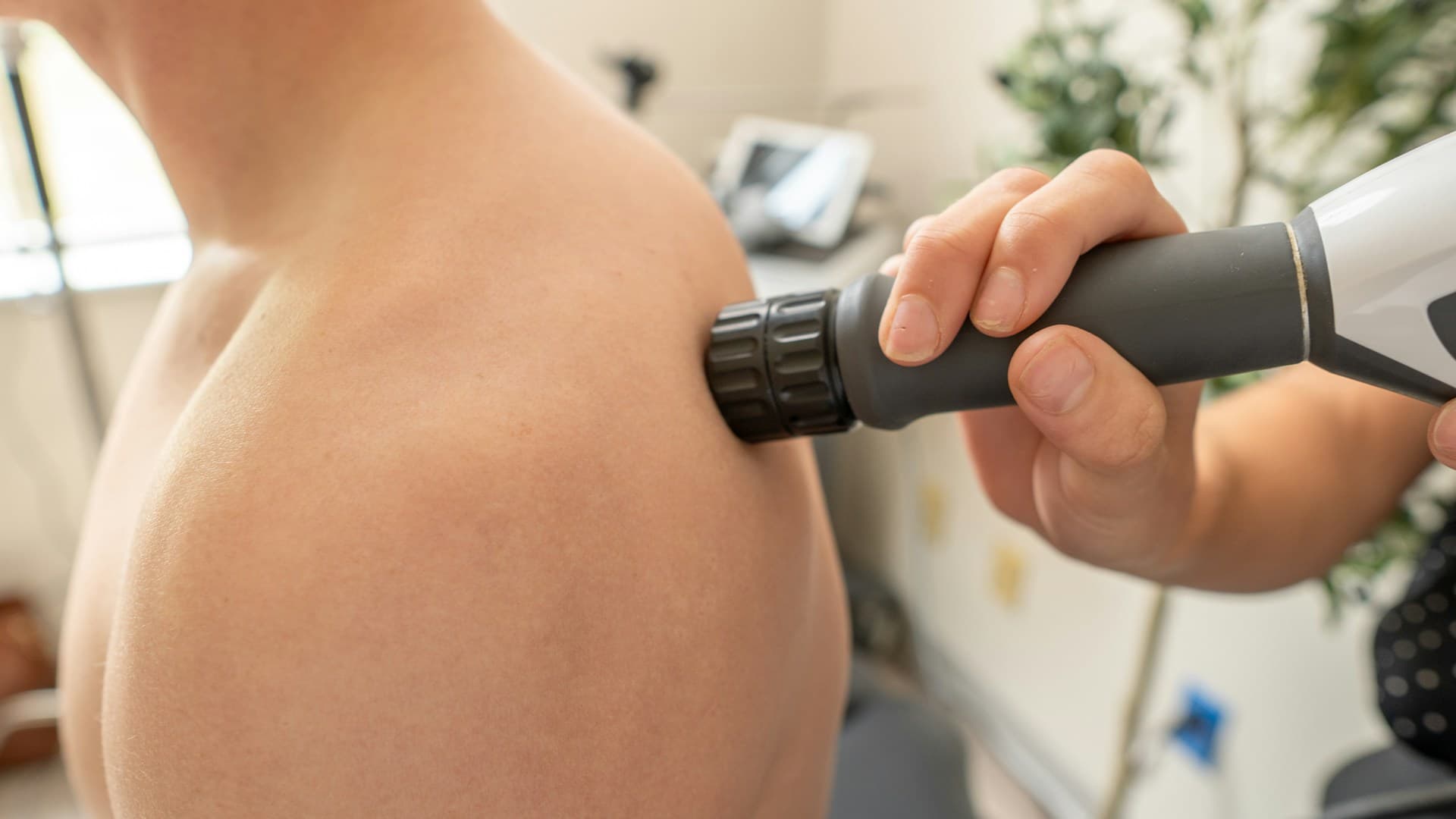
Find Faster Relief From Pain Without Surgery
Chronic pain can make it hard to enjoy the things you love, from walking around the neighborhood to keeping up with kids and grandkids. Many people in Amarillo want relief but are not excited about surgery, more pills, or long recovery times. That is where non-surgical, drug-free options can make a real difference.
Two of the most talked about options right now are shockwave therapy and Softwave Therapy. Both use sound waves on the surface of the skin to help your body heal deeper tissues. They can help with long-standing tendon pain, sports injuries, and overuse problems that do not respond well to rest alone.
In this article, we will explain how traditional shockwave therapy works, how Softwave Therapy is different, and when each might be a better fit. We will also walk through what you can expect at an appointment at our Amarillo clinic so you feel prepared, not nervous.
What Shockwave Therapy Is and How It Works
Shockwave therapy, often called extracorporeal shockwave therapy or ESWT, uses focused, high-energy sound waves on a small area of the body. The device sends quick pulses into the tissue, past the skin, to reach painful spots in tendons, ligaments, or muscles.
In simple terms, those sound waves help wake up a sleepy healing process. They can:
- Increase local blood flow to the injured area
- Break up tight scar tissue and small calcifications
- Signal the body to bring in new cells that support repair
Healing with shockwave therapy usually happens over several weeks. Many people notice changes in stages, such as less sharp pain, easier movement, or less stiffness first thing in the morning.
Common reasons people seek shockwave therapy in Amarillo include:
- Plantar fasciitis and stubborn heel pain
- Tennis elbow or golfer’s elbow
- Shoulder pain linked to tendon irritation
- Chronic Achilles or patellar tendon problems in active adults
Shockwave therapy is generally used for very specific, localized pain that you can point to with one or two fingers. It is often chosen when an area has been sore for months and has not improved with stretching, rest, or basic care.
What Softwave Therapy Is and Why It’s Different
Softwave Therapy is another form of shockwave technology, but it works in a different way. Instead of a tight, focused beam, it uses unfocused, low-intensity sound waves that spread out more widely through the tissue.
That wider field can reach a broader area in a single session, including tissue around the main painful spot. The sound waves are designed to be gentler at the surface, which often makes treatment more comfortable while still creating deep effects in the body.
Key differences you may notice with Softwave Therapy include:
- A larger treatment area with each pass of the handpiece
- Less sharp discomfort during the session for many people
- Strong support for the body’s natural regenerative processes
At our clinic, Softwave TRT is rarely used by itself. We often include it in a larger, integrative plan that can also include chiropractic care, red light therapy, and lifestyle guidance. The goal is not only to calm the painful area, but also to address the way you move, sit, stand, and live day to day so results can last.
Shockwave vs. Softwave Therapy Pros and Cons
Both therapies share the same big idea: use sound waves to help the body heal itself. But they are not identical. Each has its strengths and limits.
Comfort level:
- Traditional shockwave can feel more intense or sharp, especially over bony areas
- Softwave Therapy is usually described as more tolerable, even for sensitive spots
- Some people feel brief soreness afterward, which often fades within a day or so
Ideal use cases:
- Traditional shockwave often works well for one very stubborn, well-defined tendon issue
- Softwave Therapy may be a better fit when pain is more widespread or when nerves and circulation seem to be involved
- Softwave can be helpful when there is a mix of joint stiffness, muscle tightness, and nerve irritation
Treatment timing:
- Sessions are usually short, often taking only minutes for a single area
- You may need a series of visits, spaced over several weeks
- Many people notice early shifts in pain or flexibility in the first 4 to 8 weeks, with deeper changes building over time
Neither option is a quick fix. The sound waves trigger a healing process, and the body needs time to respond. The goal is steady, lasting progress, not just a brief numbing effect.
Choosing the Right Therapy for Your Pain
Choosing between shockwave therapy and Softwave Therapy is not something you should have to guess about. At our Amarillo clinic, we start by looking closely at what is really driving your pain.
We review:
- Your medical history and past injuries
- Your daily activities, work demands, and fitness level
- What you have already tried, including rest, braces, injections, or other care
From there, we match the therapy to the person:
- Athletes with a very specific sports injury may be steered toward focused shockwave
- Busy parents with chronic heel or knee pain might benefit from either option, depending on how localized the pain is
- Older adults with long-standing, degenerative issues or widespread discomfort may be better served by Softwave and integrative support
We rarely rely on a single therapy alone. Shockwave or Softwave may be combined with chiropractic adjustments, corrective exercises, and, when needed, structured weight loss and wellness support. This kind of holistic plan aims to reduce stress on the injured tissue so the results from sound wave therapy can hold.
What to Expect at Your First Visit in Late Summer
Your first visit is all about understanding your body and your goals. We do not rush this step. A typical first appointment includes:
- A detailed consultation to talk about where it hurts and how it started
- A physical examination, including movement tests and posture checks
- A review of any imaging you already have, such as X-rays or MRIs
- A clear discussion about whether shockwave, Softwave, or another option makes sense
If sound wave therapy is appropriate, we will explain exactly what the session will feel like before we start. Most treatments are done with you comfortably positioned, while a provider moves a small handpiece over the target area with gel on the skin.
During a session, you might feel:
- Gentle tapping, pulsing, or a dull ache in the deeper tissue
- Occasional sharper spots where the tissue is more irritated
- A gradual easing of tension as the session goes on
Sessions are usually brief. There is typically no major downtime, though we may suggest that you:
- Stay well hydrated, especially in hot Amarillo weather
- Avoid very intense activity in the treated area for a short period
- Pay attention to how your body responds over the next few days
Most people start to notice changes in pain, mobility, and daily function as they move through their treatment plan. Progress may be subtle at first, like being able to walk a little farther or stand a little longer with less discomfort, then build as the weeks go by.
Relieve Pain And Get Back To What You Love Sooner
If pain is limiting your work, hobbies, or everyday activities, we are here to help you move forward with confidence. Our team at One Light Medical provides advancedshockwave therapy in Amarillodesigned to accelerate healing and address the root cause of your discomfort. Reach out today and let us review your symptoms, answer your questions, and outline a personalized treatment plan. If you are ready to take the next step,contact usto schedule your visit.