
Shockwave Therapy in Amarillo: What to Expect Each Session
From Hesitant to Hopeful: Your First Shockwave Visit
Shockwave therapy is a non-surgical treatment that sends high-energy sound waves into painful tissue. These waves can help calm irritated nerves and support the body’s natural repair process in joints, the back, and areas affected by neuropathy. Many people in Amarillo are choosing this option when they want relief but are not ready to jump straight to surgery.
It is important to know that SoftWave shockwave therapy is a process, not a quick fix. Most people notice changes over several weeks as sessions build on each other. Pain often shifts first, then movement and daily function start to feel easier and more natural.
We also know people have honest worries, like:
• Will it hurt?
• How long will I be sore?
• How will I know it is working?
We will walk through what most patients can expect from the first visit through the later sessions, including sensations, aftercare, and how progress is tracked along the way.
Your First Shockwave Therapy Session Demystified
When you come in for the first time, we spend time learning your story. You fill out new patient paperwork that covers your health history, current symptoms, and any past injuries or surgeries. Then we complete a focused consultation where we listen to your goals and concerns in detail.
Next, we perform a physical exam to look for the main pain generators. This might include:
• Checking posture and how you move
• Feeling along joints and muscles
• Simple strength and balance tests
• Noting areas of numbness, tingling, or sharp pain
Based on what we find, we decide together if shockwave therapy in Amarillo at our clinic is a good fit for your condition. If it is, we explain the plan and answer questions before we start any treatment.
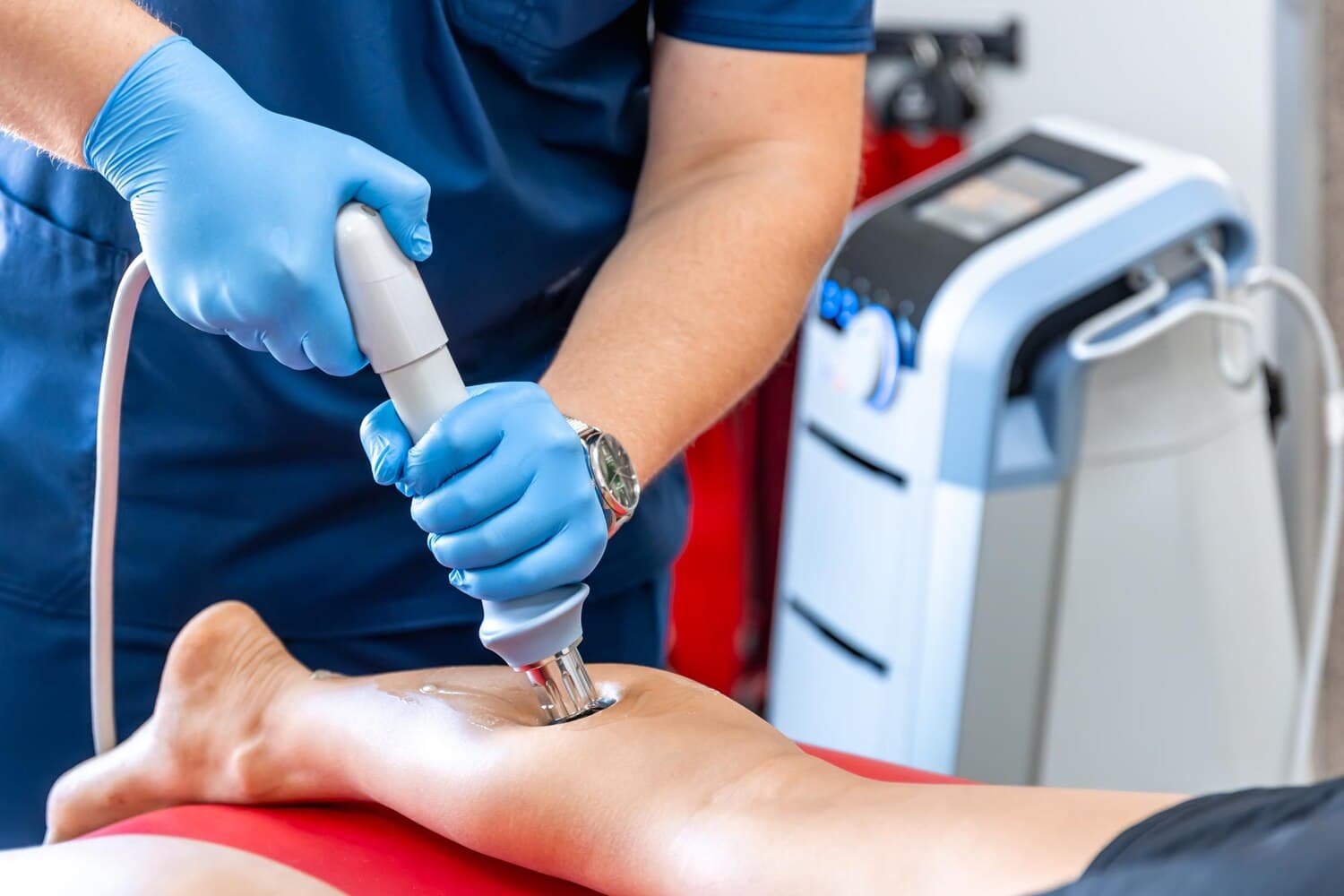
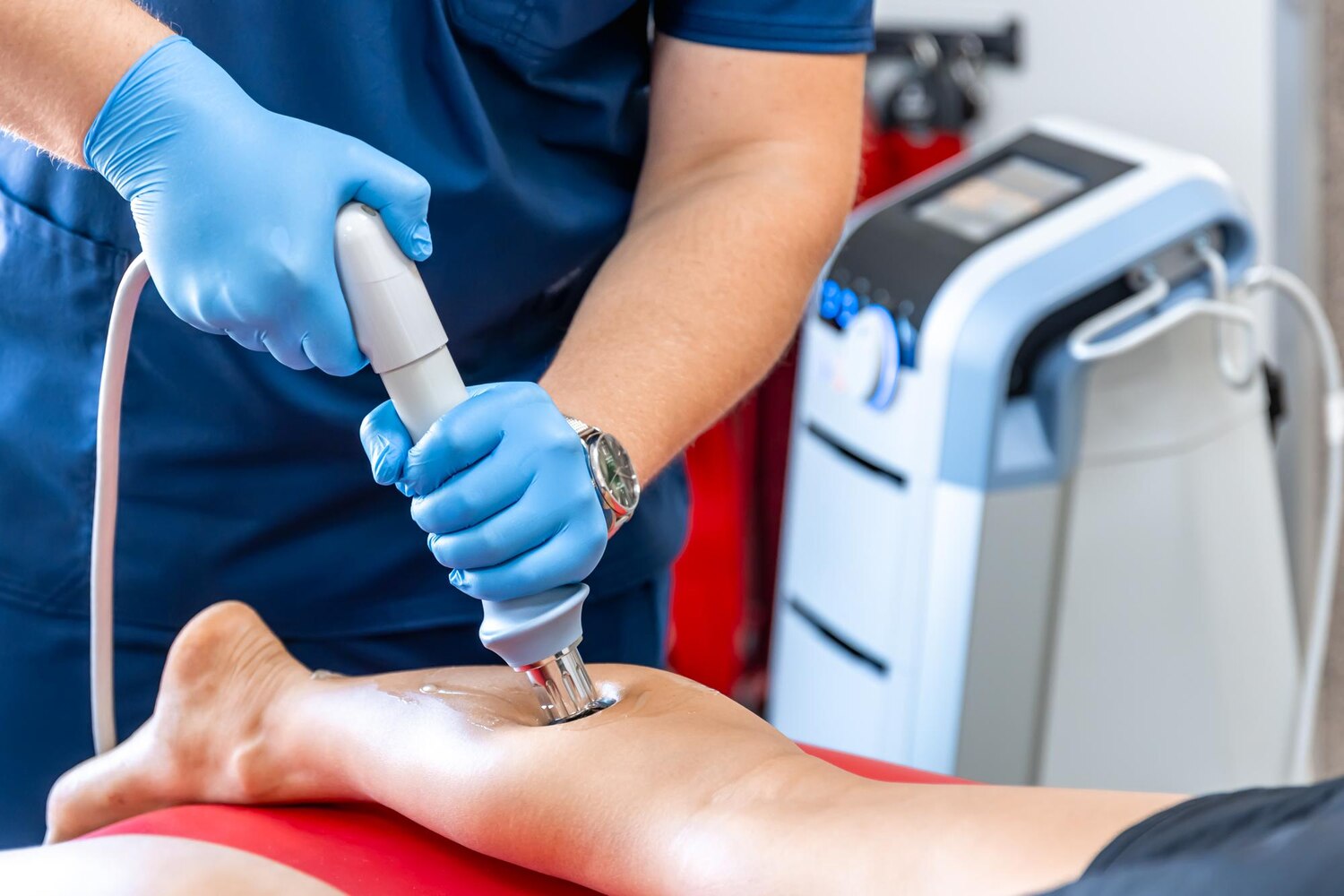
During the actual SoftWave session, you usually lie or sit in a relaxed position on a treatment table. We apply a small amount of gel to help the sound waves move through the skin. Then we place the SoftWave device over the target area and begin with lower settings to test your comfort.
Typical sensations in the first session can include:
• Tapping or pulsing on the skin
• Mild to moderate discomfort in “hot spots”
• A feeling of pressure deep in the joint or tissue
We talk with you the entire time, adjusting intensity based on your feedback. The goal is to stay within your tolerance, not push you through extreme pain. Most first treatments are brief and focused, so you can see how your body responds.
What Weeks 2 and 4 Feel Like as Healing Ramps Up
In the early part of care, sessions are usually more frequent. This steady rhythm helps signal the body again and again to pay attention to the injured or irritated tissue. Each visit builds on the last, which is why keeping appointments during this phase is so important.
Follow-up sessions are often shorter than the first visit because we already know your pain map. We may:
• Re-check how your pain feels that day
• Repeat SoftWave on the same areas
• Add or slightly adjust treatment zones if symptoms have shifted
Sensations often change over weeks 2 to 4. People commonly describe:
• Less sharp pain compared to the first visit
• A “good soreness,” like after light exercise
• Warmth or tingling during or right after treatment
• Shorter periods of soreness later that day
While you notice these shifts, we are also tracking progress in specific ways. At One Light Medical, early progress checks can include:
• Pain scores at rest and during movement
• Range of motion in the neck, back, hips, knees, or other joints
• Standing or walking tolerance
• Sleep quality and how often pain wakes you up
These details help us fine-tune the plan so sessions match your real-life needs.
Mid-Program Milestones and Signs It’s Working
By the middle of a typical care plan, many patients begin to see clearer changes in everyday life. For some, that means fewer flare-ups after work or chores. For others, it might be being able to walk farther, bend more easily, or trust a joint that used to feel weak or unstable.
Common mid-program milestones include:
• Longer stretches of relief between sessions
• Less need to “guard” or protect a painful area
• Smoother, more confident motion when standing up, turning, or lifting
• A calmer, less buzzy feeling with neuropathy symptoms
Around this time, we often perform a re-evaluation. This can involve:
• Checking posture from different angles
• Repeating flexibility and range-of-motion tests
• Re-assessing nerve-related findings
• Testing strength and stability
• Comparing updated pain and activity notes to day one
If results are slower than expected, we adjust. We may refine SoftWave settings, change how we position you, or pair shockwave therapy with other non-surgical options available at our clinic, like spinal decompression for certain back issues. We can also update your home care plan so what you do between visits supports your progress instead of working against it.
Aftercare Essentials and How to Protect Your Gains
Right after a session, most people can go back to normal light activities. It is common to feel a little sore, warm, or “worked on” around the treated area for a short time. We often encourage gentle movement rather than complete rest, because light activity can help circulation and stiffness.
General aftercare tips we may recommend include:
• Avoiding very heavy lifting or high-impact activity right after treatment
• Using gentle range-of-motion exercises to keep joints from tightening up
• Drinking water to support your body’s natural repair processes
• Paying attention to any new or unusual pain and telling us about it
With Amarillo’s dry air and cooler fall temperatures, it can also help to:
• Warm up with light walking before outdoor chores or sports
• Wear supportive, weather-appropriate footwear on hard or uneven ground
• Pace big projects so you are not overloading healing joints in one long day
At home, we may suggest simple support strategies, such as:
• Light, targeted stretching
• Easy strength work for core and stabilizing muscles
• Footwear changes for better joint alignment
• Weight-loss or basic anti-inflammatory approaches to reduce strain on painful areas
These steps help protect the gains you are making on the table.
Measuring Long-Term Results Beyond Pain Levels
Pain is important, but it is only one part of the story. To understand how well shockwave therapy in Amarillo is working for you, we look at several areas together over time.
This can include:
• How often and how intense your pain episodes are
• How easily you handle stairs, walking, sitting, or standing
• Whether you need the same amount of medication or can discuss changes with your prescribing provider
• How much your symptoms affect hobbies, work, sleep, and time with family
After a full plan of care, many people enjoy longer periods of improved comfort and function. Some feel good with no further treatment for quite a while. Others, especially with long-standing joint, back, or neuropathy problems, may benefit from occasional maintenance visits to help keep things from sliding backward.
Shockwave therapy is often just one part of a broader plan at our integrative clinic. Non-surgical spinal decompression, personalized weight-loss support, and other non-invasive options can be combined to address underlying stress on joints and nerves. The goal is not only to calm pain, but also to support your body so you can move more freely and stay active in daily life.
Relieve Pain And Get Back To What You Love Faster
If pain is slowing you down, our team at One Light Medical is here to help you explore whether shockwave therapy in Amarillo is the right fit for your recovery. We focus on treatments that support your body’s natural healing so you can move with more comfort and confidence. To schedule a visit or ask questions about your options, simply contact us and we will walk you through the next steps.