
Blog · Amarillo, TX
Clinic notes
First Visit for Chronic Pain Care in Amarillo: Assessment, Goals, Timeline
Published
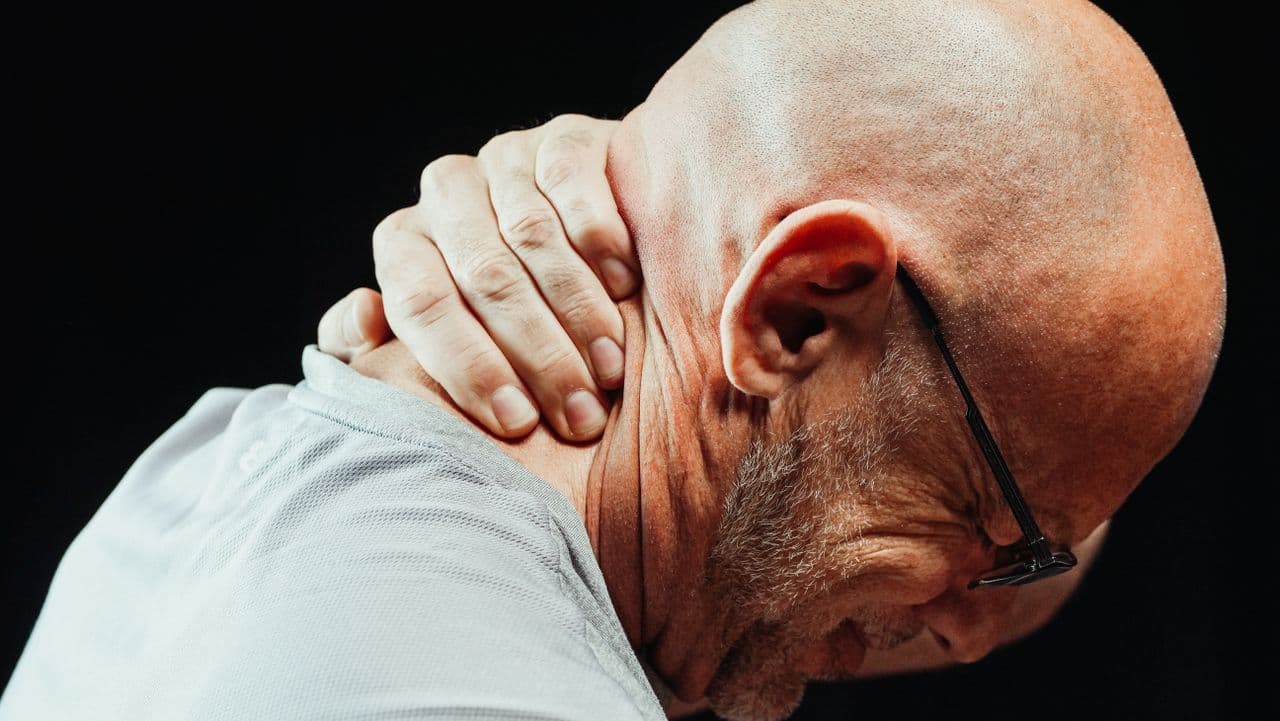
Start Your Holistic Pain Relief Journey in Amarillo
Chronic pain can slowly take over your life. Simple things like walking across the parking lot, standing at work, or sleeping through the night start to feel like a battle. Many people are told to just manage it with pills or wait until it is “bad enough” for surgery.
Holistic pain relief in Amarillo is a different path. Instead of chasing symptoms, it looks at how your joints, spine, nerves, weight, sleep, stress, and daily habits all connect. The goal is not only less pain, but more freedom to do what matters to you.
In this article, we will walk you through what to expect at a first visit at an integrative clinic, how your goals shape your plan, and what a realistic care timeline can look like, especially if you want to feel better heading into late summer and fall activities.
What Holistic Pain Relief in Amarillo Really Means
Holistic pain relief sounds fancy, but it is actually simple. It means we look at your whole body and your whole life, not just the spot that hurts. Your knee pain might be tied to your hip, your back, your weight, or even how well you are sleeping.
A holistic and integrative model often brings several tools together. Depending on your needs, that may include chiropractic care to improve alignment and nerve function, Softwave TRT to support tissue healing and calm irritation, spinal decompression for certain disc and spine issues, regenerative and neuropathy-focused therapies when appropriate, and medically supervised weight loss and functional medicine-style support.
This approach can be a good fit if you:
- Have chronic knee, hip, shoulder, or back pain
- Live with numbness, tingling, burning, or weakness from neuropathy
- Still hurt after trying medications, injections, or even surgery
- Feel that “something deeper” has not been addressed yet
Instead of relying on one single treatment, the goal is to build a plan that addresses the root causes from many angles at once.
Your First Visit Step-by-Step: Assessment Without the Rush
Your first visit should feel calm and thorough, not rushed. It usually starts with simple intake forms so the team can get a clear picture of your health story. You can expect to be asked about:
- Where your pain is and how long it has been there
- Past injuries, surgeries, or car accidents
- Work and home demands, like lifting, standing, or long drives
- Weight changes over time
- Current medications and supplements
- Sleep quality, energy levels, and stress
After that comes a hands-on exam, designed to understand how your body is functioning day to day. This may include:
- Postural assessment, checking how you stand and carry weight
- Range of motion testing to see how your joints move
- Orthopedic and neurologic tests for strength, reflexes, and nerve function
- Gentle palpation of your spine and painful joints
- Discussion of whether imaging or other diagnostic tests are needed
Holistic discovery is the part that often feels new to people. You may talk about your daily routine, how much you sit or walk, what and when you eat, and any emotional stress that might be making your pain worse. The team uses all of this to build a “big picture” view, not just a snapshot of one bad joint.
Personalized Goals and a Realistic Care Timeline
Holistic care shifts the focus from “What is your pain level?” to “What do you want your life to look like?” Pain numbers still matter, but they are only part of the story. For many people, the most meaningful goals are about returning to the activities and routines that pain has interrupted, such as walking trails or parks around Amarillo without stopping every few minutes, playing with kids or grandkids after school without crashing on the couch, getting through a full workday without a flare-up, and sleeping through most nights without waking from discomfort.
Together with your provider, you will decide which therapies to prioritize. For example:
- Softwave TRT may be used to support tissue healing in stubborn joints
- Spinal decompression may be considered for disc-related low back or neck problems
- Neuropathy protocols may be recommended for numbness and burning in the feet
- Medically supervised weight loss may be added to reduce stress on hips, knees, and spine
You will also talk about short-term and long-term goals. Short-term goals might include less intense pain, improved sleep, and slightly better mobility getting in and out of chairs or cars. Long-term goals often include better strength and balance, reduced inflammation triggers, weight loss for less joint load, and more energy and independence in daily life.
From there, a realistic care timeline is mapped out. Many plans move through three general phases:
- Intensive phase, more frequent visits focused on calming pain and stabilizing problem areas
- Corrective phase, still consistent care, aimed at deeper healing and functional change
- Wellness or maintenance phase, fewer visits, focused on holding your gains over time
For ongoing issues like degenerative knee pain, lumbar disc problems, or neuropathy, most people need time and consistency before they see steady change. Starting in mid-summer can help you build momentum before fall routines, sports seasons, and holiday events place extra demands on your body.
Therapies You May Experience and What Day-to-Day Progress Feels Like
A holistic pain plan can include a mix of hands-on care, technology-based therapies, and lifestyle support. Core services often include:
- Chiropractic adjustments to improve joint motion and nervous system function
- Softwave TRT for tissue regeneration support and pain modulation
- Spinal decompression for certain disc-related spine issues
- Regenerative approaches when appropriate for chronic joint concerns
Functional medicine and weight-loss support may be used to address deeper drivers of pain. That can include:
- Lab-based insights when needed
- Guidance on nutrition patterns that may trigger inflammation
- Medically supervised weight loss to reduce stress on joints and help you move with less effort
Your plan is not set in stone. As your body responds, your care team may:
- Adjust visit frequency
- Add or pause certain therapies
- Progress your home exercises
- Refine your long-term goals as old goals are met
Day-to-day, holistic pain relief rarely feels like a sudden switch. Some people notice changes quickly, like easier mornings or fewer sharp twinges. For others, progress looks more gradual:
- Fewer “bad days” in a row
- Better sleep and less morning stiffness
- Being able to stand or walk a bit longer before pain builds
- Faster recovery after busy days or long drives
Your role is a big part of the process. You may be given simple home exercises, suggestions for workstation or car-seat setup, basic nutrition shifts, and stress management tools. Staying consistent with your visit schedule helps each treatment build on the last.
Good communication keeps everything on track. Regular check-ins, re-evaluations, and updated pain and function scales help your team see what is working and what needs to change. If life throws you a curveball, like a new work schedule or extra family duties, your plan can be adjusted so you can keep moving forward at a pace that is realistic for you.
Take The Next Step Toward Lasting Relief
If pain is limiting your daily life, we are here to offer a more complete approach to healing. Our team at One Light Medical uses advanced, noninvasive therapies to provide holistic pain relief in Amarillo that targets the root cause, not just the symptoms. Reach out today to discuss your concerns and find out if our treatment options are right for you, or contact us to schedule your first visit.