
Blog · Amarillo, TX
Nerves
Common Neuropathy Causes and Symptoms to Recognize Early
Published
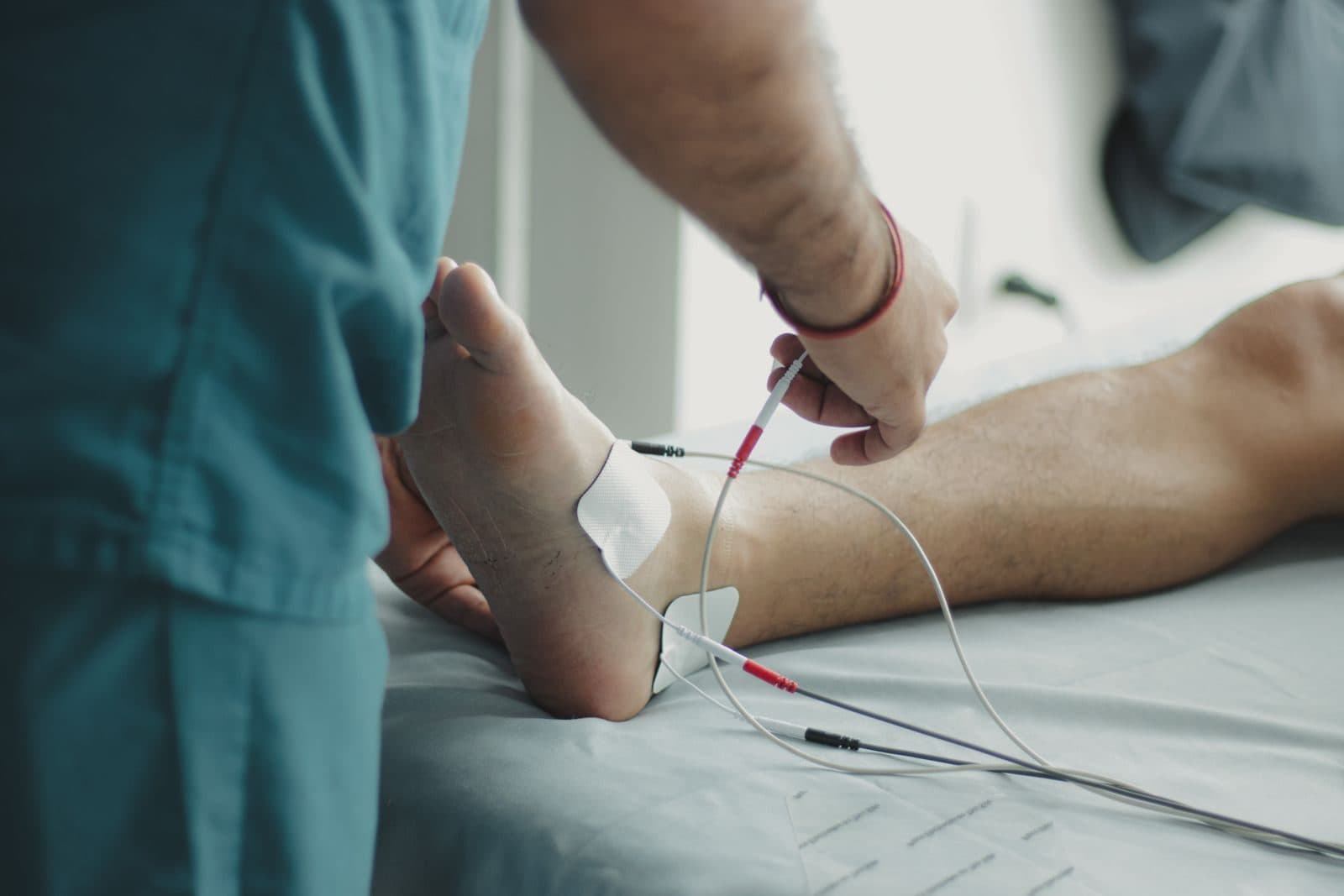
Neuropathy is a condition where nerve damage affects the peripheral nervous system, leading to symptoms that impact motor control, sensory perception, and autonomic functions. This article explains neuropathy by defining its features, exploring its origins, identifying its symptoms, reviewing diagnostic tests, discussing management approaches, and considering long-term effects. The goal is to provide evidence-based information to help patients, caregivers, and healthcare providers better understand and manage this complex condition.
Defining Neuropathy and How Nerve Damage Manifests
Neuropathy refers to dysfunction or damage of nerves in the peripheral nervous system, disrupting communication between the brain, spinal cord, and the rest of the body. It can manifest in various forms depending on whether sensory, motor, or autonomic nerves are affected.
Clarifying Peripheral Neuropathy and Its Variations
Peripheral neuropathy most often involves nerves outside the brain and spinal cord. Sensory neuropathy alters sensation, causing numbness or tingling, motor neuropathy leads to muscle weakness, and autonomic neuropathy disrupts internal functions such as heart rate, blood pressure, and digestion.
The Mechanisms Behind Nerve Damage Development
Nerve damage develops from multiple factors including metabolic, inflammatory, and mechanical stresses. Chronic high blood sugar in diabetes, deficiencies in vitamin B12 or E, physical trauma, and exposure to toxins or certain medications trigger pathways that accelerate nerve degeneration and hinder regeneration.
Classifying Different Types of Neuropathy
Neuropathy is categorized by nerve involvement: – Mononeuropathy: A single nerve is affected. – Polyneuropathy: Multiple nerves are affected simultaneously. – Focal neuropathy: Damage is restricted to a specific area. – Autonomic neuropathy: Symmetrical nerves controlling internal organs are impaired.
This classification helps physicians tailor diagnosis and treatment strategies.
Appreciating the Widespread Impact of Neuropathy
Neuropathy adversely affects quality of life by impairing mobility, causing chronic pain, and triggering balance issues. Secondary complications can include foot ulcers, infections, and poor wound healing. Its progressive nature typically requires long-term management combining medical intervention with lifestyle modifications.
Investigating the Origins of Neuropathy Causes
Understanding the origins of neuropathy is essential for prevention and treatment. Multiple pathological factors can trigger nerve damage.
Diabetes as a Prominent Factor in Neuropathy Causes
Diabetes is a leading cause of neuropathy. Chronic high blood sugar results in the accumulation of advanced glycation end products (AGEs) that damage nerve cells and blood vessels. Tight glycemic control is crucial to reducing diabetic neuropathy risk and progression.
Nutritional Deficiencies Contributing to Nerve Impairment
Proper nutrition supports nerve health. Deficiencies in vitamin B12, vitamin E, and other micronutrients predispose nerves to degeneration. Vitamin B12, essential for myelin maintenance, when deficient can lead to demyelination and neuropathic symptoms.
Physical Trauma Leading to Neuropathy Causes
Injuries such as compression, stretching, or severing of nerves due to accidents, repetitive stress, or surgical complications can cause localized neuropathic pain and functional deficits. The severity depends on the trauma’s extent and the nerve fibers involved.
Infections and Immune System Responses Triggering Neuropathy
Infections like Lyme disease, shingles, and HIV may trigger nerve damage by provoking an inflammatory immune response. Autoimmune disorders, such as Guillain-Barré syndrome, can also rapidly induce neuropathy, often requiring urgent treatment.
Medication and Toxin-Induced Neuropathy Causes
Exposure to toxins and certain medications is a known cause of neuropathy. Chemotherapeutic agents, some antibiotics, and heavy metals (e.g., lead) can impair nerve function. Additionally, chronic alcohol consumption contributes by causing nutritional deficiencies and toxic effects on nerve tissue.
Identifying the Range of Neuropathy Symptoms
Symptoms vary based on the type of nerve affected. Early recognition is key for timely intervention.
Common Sensory Neuropathy Symptoms to Watch For
Sensory neuropathy typically presents with burning, tingling, or numbness, often in a “stocking-glove” pattern affecting hands and feet initially. Patients may also experience heightened sensitivity to touch or temperature, leading to discomfort or chronic pain.
Motor Neuropathy Symptoms Impacting Physical Abilities
Motor neuropathy affects muscle movement, causing weakness, cramps, and spasms. As it worsens, patients may find fine motor tasks difficult and experience overall fatigue. Severe cases can lead to joint instability and falls.
Autonomic Neuropathy Symptoms and Internal Functions
When autonomic nerves are involved, symptoms extend to internal organs. Abnormal heart rates, fluctuations in blood pressure, gastrointestinal problems (e.g., constipation or diarrhea), impaired bladder control, and disrupted sweating are common, potentially compromising overall health.
Recognizing Initial Indicators of Neuropathy Symptoms
Early signs can be subtle, such as mild tingling or occasional numbness. These intermittent symptoms may be easily overlooked; however, recognizing them early is crucial to slowing further nerve damage and improving outcomes.
Tracking the Progression of Neuropathy Symptoms
As neuropathy advances, symptoms become more consistent and severe. Regular monitoring using physical examinations, questionnaires, and nerve conduction studies helps assess progression and allows for timely adjustment of treatment plans.
Methods for Accurately Diagnosing Neuropathy
Accurate diagnosis requires a thorough combination of patient history, clinical examination, and specialized tests.
Your Doctor’s First Steps in Assessing Neuropathy Symptoms
Diagnosis begins with a detailed medical history and physical examination. Physicians inquire about symptom onset, duration, and progression, and check reflexes, muscle strength, and sensory responses to gauge nerve impairment.
Neurological Tests to Evaluate Nerve Function
Electromyography (EMG) and nerve conduction studies are key for assessing nerve function by detecting electrical activity abnormalities. These tests help distinguish between axonal degeneration and demyelination. Quantitative sensory testing (QST) may also be used to evaluate sensation thresholds.
Specialized Diagnostic Procedures for Neuropathy Causes
Additional tests such as blood work to screen for diabetes, vitamin deficiencies, and autoimmune markers may be necessary. Imaging studies like MRI or CT scans can rule out structural lesions or compressive issues, while nerve biopsies are reserved for atypical cases needing further clarification.
Ruling Out Conditions Mimicking Neuropathy
Since some spinal cord disorders or musculoskeletal injuries can mimic neuropathy, it is essential to exclude these through comprehensive testing. Correctly identifying the origin of symptoms ensures appropriate treatment planning.
Approaches to Manage Neuropathy and Ease Symptoms
Managing neuropathy involves a holistic approach that combines medical, lifestyle, and complementary therapies.
Medical Interventions Targeting Neuropathy Causes
Pharmacological treatments focus on reducing pain and slowing nerve damage. Anticonvulsants (such as gabapentin or pregabalin) and antidepressants (like duloxetine) are common for neuropathic pain management. In diabetic neuropathy, controlling blood sugar with insulin or oral agents is critical. Topical treatments, such as lidocaine patches, and neuromodulation techniques like TENS may also be used.
Therapeutic Options for Soothing Neuropathy Symptoms
Physical therapy improves muscle strength, balance, and coordination, while occupational therapy helps patients adapt daily activities to reduce stress on weakened muscles. Cognitive behavioral therapy (CBT) can assist in coping with chronic pain and emotional stress.
Beneficial Lifestyle Changes for Neuropathy Sufferers
Adopting a healthy diet rich in antioxidants, vitamins, and minerals supports nerve repair and reduces inflammation. Regular exercise, whether walking or swimming, helps improve circulation and muscle strength, reducing the risk of falls. Weight management and smoking cessation are also important for overall nerve health.
Complementary Strategies in Neuropathy Symptom Relief
Complementary therapies such as acupuncture, yoga, meditation, and tai chi can reduce pain, stress, and inflammation. Natural supplements like alpha-lipoic acid, omega-3 fatty acids, and curcumin may offer additional anti-inflammatory and antioxidant benefits when used alongside conventional treatments.
Addressing Long-Term Effects and Support for Neuropathy
Chronic neuropathy often necessitates long-term care and support systems to maintain quality of life.
Understanding Potential Long-Standing Issues of Neuropathy
If neuropathy remains unmanaged, persistent pain, chronic inflammation, and continuing nerve loss may lead to complications such as muscle atrophy, joint instability, and even limb deformities. Regular follow-up with healthcare providers is vital to minimize these risks.
Effective Ways to Live With Ongoing Neuropathy Symptoms
Living with neuropathy requires a comprehensive approach, involving coordinated medical management, physical rehabilitation, and psychological support. Working with a multidisciplinary team can help tailor an individualized care plan. Adaptive devices like braces or specialized footwear and support groups can also assist in managing daily challenges.
Locating Helpful Networks and Information for Neuropathy
Patient advocacy groups, online forums, and community centers can be valuable resources for guidance on treatment choices. Specialized clinics that emphasize integrative care – such as those offering non-surgical interventions for nerve pain and joint issues – can empower patients to manage their symptoms effectively.
Future Perspectives on Neuropathy Causes and Symptom Management
Research into regenerative medicine, including stem cell and gene therapies, is exploring new ways to repair damaged nerves. Improvements in diagnostic tools are also promising earlier detection, which can lead to better long-term outcomes. The future of neuropathy management will likely combine targeted medical innovations with comprehensive lifestyle support.
Comprehensive Entity-Attribute Table
Before proceeding to the frequently asked questions, the table below summarizes key aspects of neuropathy, including primary causes, affected systems, and beneficial management strategies:
Frequently Asked Questions
Q: What are the early signs of neuropathy?
A: Early signs include mild tingling, numbness, or slight burning sensations in the extremities, often occurring in a stocking-glove distribution.
Q: How is diabetic neuropathy different from other types?
A: Diabetic neuropathy is primarily caused by chronic high blood sugar that damages nerves and blood vessels, whereas other neuropathies may be due to trauma, nutritional deficiencies, or toxin exposure.
Q: Can dietary changes help manage neuropathy symptoms?
A: Yes, a diet rich in antioxidants, essential vitamins, and minerals supports nerve repair, reduces inflammation, and improves nerve function.
Q: What diagnostic tests are used to confirm neuropathy?
A: Common tests include nerve conduction studies, electromyography (EMG), and blood tests for metabolic and nutritional markers. Imaging studies may also be used to rule out other conditions.
Q: What treatments are available for neuropathy pain?
A: Treatments include anticonvulsants, antidepressants, topical agents like lidocaine patches, physical therapy, and complementary therapies such as acupuncture and nutritional supplements.
Q: Is neuropathy a reversible condition?
A: While some underlying causes can be managed or reversed, the nerve damage is often permanent. Early intervention may slow progression and improve quality of life.
Q: How does physical therapy benefit neuropathy patients?
A: Physical therapy helps improve muscle strength, balance, and coordination, reducing motor deficits and lowering the risk of secondary complications such as falls.
Q: What role do complementary therapies play in neuropathy management?
A: They help reduce pain, stress, and inflammation. Techniques like acupuncture, yoga, and meditation complement conventional treatments.
Q: Are there new treatment options being researched for neuropathy?
A: Yes, ongoing research in regenerative medicine, including stem cell and gene therapy, shows promise in repairing nerve damage and providing new treatment avenues.
Final Thoughts
Neuropathy presents complex challenges that affect multiple body systems and significantly impact quality of life. By understanding its diverse causes, from diabetes and nutritional deficiencies to trauma and toxin exposure, our providers at One Light Medical can develop comprehensive treatment strategies. Combined medical interventions, lifestyle changes, physical therapy, and complementary approaches help manage symptoms. It’s time to alleviate nerve pain and improve sensation with customized neuropathy treatments designed to enhance quality of life today. Schedule your consultation at One Light Medical located in Amarillo, TX today.